

How to Check if Land is Buildable Before You Buy
October 21, 2025Installing a Fence: Best Practices for Remote Properties
October 21, 2025There’s something special about pulling your RV onto land that’s truly yours. No campground fees, no reservation hassles, no worrying about noisy neighbors in the next spot over. Just you, your rig, and the freedom to enjoy your property on your own terms.
If you’re thinking about RV camping on your rural land, you’re in for a treat. Whether you’ve got a weekend getaway spot or you’re planning to spend extended time on your property, camping in your RV is one of the best ways to really get to know your land. Let’s walk through everything you need to know to make it work.
Why RV Camping Makes Perfect Sense for Land Owners
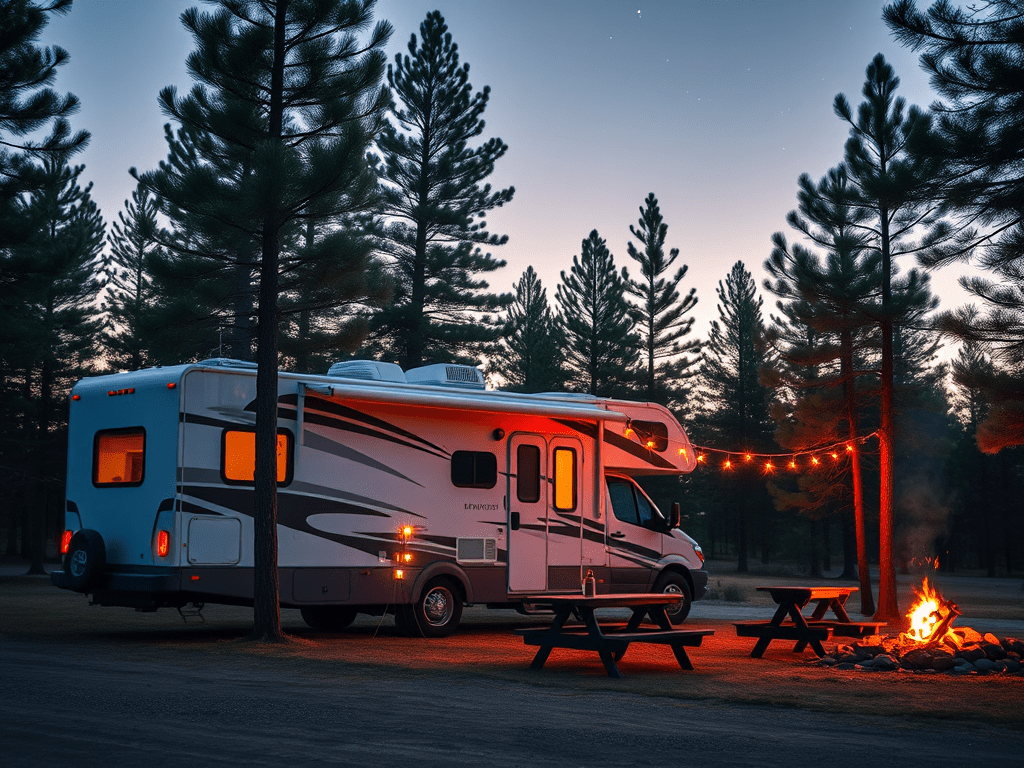
Before we dive into the how-to, let’s talk about why so many rural landowners start with RV camping. For one thing, it’s incredibly practical. Your RV gives you a comfortable place to stay while you’re clearing trails, building infrastructure, or just figuring out the best spot for a future cabin. You’ve got your kitchen, bathroom, and bed right there with you.
It’s also a fantastic way to test out different areas of your property. Maybe that spot near the trees looked perfect on paper, but after a few weekends camping there, you realize the morning sun hits better on the ridge. Or perhaps you discover that certain areas have better drainage after a rainstorm. Living on the land, even temporarily, teaches you things you’d never learn from occasional day visits.
And honestly? It’s just plain fun. There’s a relaxed feeling that comes from knowing you can show up whenever you want, stay as long as you like, and never worry about checkout time.
First Things First: Check with Your County
Now, before you hook up the trailer and head out, here’s the most important step: contact your county planning or zoning office. This isn’t just bureaucratic red tape—it’s essential information that’ll save you headaches down the road.
Every county has different rules about RV camping on private property. Some places are wonderfully flexible and allow unlimited camping. Others might limit you to a certain number of days per year. Some counties treat your RV as a temporary dwelling and that’s perfectly fine, while others have stricter regulations. You might need a permit, or there might be requirements about where you can park and for how long.
The folks at your county office deal with these questions all the time, and they’re usually happy to help. Give them a call, explain what you’re planning, and they’ll walk you through any requirements specific to your area. It’s a quick conversation that’ll give you peace of mind and keep everything above board.
Getting Your Property RV-Ready
Once you know what’s allowed, it’s time to think about access and setup. The good news is that you don’t need much to get started, but a little preparation goes a long way toward making your camping experience enjoyable.
Your first consideration is simply getting your RV onto the property. If you’re dealing with dirt roads, think about what they’ll be like in different weather conditions. A road that’s perfectly fine in summer might turn into a muddy challenge after spring rains. It’s worth walking or driving your route during wet conditions before committing to bringing in a large RV. If needed, some strategic gravel placement in problem spots can make a world of difference.
When it comes to choosing your camping spot, think about the basics: relatively level ground makes setup much easier, good drainage keeps you from waking up in a puddle, and some natural shade is a blessing on hot days. Many people find success looking for slight rises or gentle slopes rather than perfect flatlands, since these naturally shed water better.
You don’t need to create a perfectly paved parking pad right away. Many landowners simply use their RV to identify the perfect spot over time, then invest in more permanent improvements later if they decide to make that area their regular camping location.
Power and Water Solutions
One of the great things about modern RVs is how self-sufficient they can be, but let’s talk through your options for power and water since you’ll be spending time on off-grid land.
For power, your RV’s battery system might be plenty for weekend trips, especially if you’re not running the air conditioner constantly. Many folks find that a portable generator works perfectly well for their needs—running it a few hours in the morning and evening to recharge batteries, refrigerate food, and power any tools or devices. Generators have come a long way in terms of noise and efficiency, and they’re a reliable, affordable solution.
If you’re planning longer stays or want more convenience, portable solar panel setups are increasingly popular and surprisingly affordable. You don’t need a massive installation to make a real difference. Even a modest solar setup can keep your batteries topped off and reduce generator runtime significantly. Plus, it’s quiet, maintenance-free, and you’ll never run out of fuel as long as the sun’s shining.
For water, the simplest approach is bringing it with you. Your RV’s fresh water tank, combined with a few extra five-gallon jugs, can last quite a while if you’re thoughtful about usage. Many landowners get into a comfortable routine of filling up before each trip. It’s one extra stop, but it’s straightforward and reliable.
As you spend more time on your property, you might explore other options. Some people set up rain catchment systems for non-drinking water. Others eventually drill a well or haul in larger quantities of water in storage tanks. Start simple and see what works for your situation and frequency of visits.
Waste Management That Works
Let’s talk about the less glamorous but equally important topic: dealing with wastewater and sewage. The good news is that RVs are designed to handle this, and you have several practical options depending on your setup and county regulations.
Your RV has holding tanks for both gray water (from sinks and showers) and black water (from the toilet). These tanks can last surprisingly long if you’re mindful about water usage. When they need emptying, many landowners simply drive to a dump station on their way home or into town. Most areas have public dump stations at campgrounds, rest stops, or RV service centers for a small fee or sometimes free.
If you’re planning extended stays, check with your county about other options. Some areas allow the installation of a septic system, which can eventually serve both your RV and any future structures. Others permit composting toilet systems, which eliminate black water concerns entirely. Some counties are fine with you having a holding tank on your property that gets pumped out periodically by a service.
Whatever approach you take, the key is staying informed about local regulations and being responsible about waste disposal. Your county office can guide you toward solutions that work within their requirements.
Practical Tips for Comfortable RV Living on Your Land
After you’ve covered the basics, here are some things that can really enhance your experience:
Keep a set of outdoor basics on your property so you’re not constantly packing and unpacking. A good folding table, some camp chairs, and basic tools stored in a weatherproof container mean you can arrive and immediately start enjoying your time rather than setting up camp. Some people keep a small shed or even just a heavy-duty storage box with these essentials.
Think about shade and weather protection. If your camping spot doesn’t have natural tree cover, a simple pop-up canopy makes a huge difference on sunny days. It expands your living space and gives you somewhere comfortable to sit outside even in the heat of the day.
Create some simple paths or cleared areas around your RV for easier moving around, especially in dewy mornings or after rain. You don’t need anything elaborate—just clearing vegetation and maybe laying down some gravel in the areas you walk most frequently.
Consider your routines and plan accordingly. If you love your morning coffee, make sure you’ve got your coffee setup dialed in. If you’re someone who enjoys evening campfires, establish a good fire pit location (after checking county regulations about open fires, of course). The little comforts make a big difference.
Safety and Common Sense
Spending time on rural property means thinking about a few safety considerations that aren’t issues at developed campgrounds. It’s not about being worried—it’s just about being prepared.
Let someone know where you’ll be and when you expect to return, especially if you’re heading out solo. Cell service can be spotty on rural properties, so consider whether you need a satellite communication device for emergencies if you’ll be out there frequently and alone.
Keep a well-stocked first aid kit in your RV and know where the nearest medical facilities are located. Bring a backup method for communication and navigation beyond just your cell phone. A paper map of your area and a portable phone charger or power bank are simple insurance policies.
Be aware of wildlife and weather patterns in your area. This isn’t about fear—it’s about respect and preparation. Secure your food properly, understand what to do in severe weather for your region, and keep your RV and surrounding area clean to avoid attracting unwanted visitors.
Making It Your Own
Here’s the beautiful thing about RV camping on your own land: there’s no right or wrong way to do it. Some people treat their property as a weekend escape, rolling in Friday evening and leaving Sunday afternoon. Others spend weeks at a time, working remotely or just enjoying the change of pace. Some folks use their RV camping time to actively work on property improvements, while others simply want to relax and enjoy nature.
You might start with basic camping and eventually add improvements—a gravel pad, electricity hookups, a well, or even the foundation for a future cabin. Or you might find that RV camping perfectly meets your needs and decide to keep it simple indefinitely. Both approaches are completely valid.
The point is to create something that works for your life, your budget, and your goals. Your property, your RV, your rules.
Getting Started
If all of this sounds appealing and you’re ready to start RV camping on your land, begin with the fundamentals. Make that call to your county office, assess your access roads, and identify a few potential camping spots. Then just go do it. Your first trip doesn’t need to be perfect—it’s a learning experience.
You’ll figure out what you forgot to bring, what works better than expected, and what you’d do differently next time. That’s all part of the adventure. Each visit teaches you something new about your property and helps you refine your setup.
The wonderful thing about owning rural land is the freedom it provides. Freedom to explore, to build, to camp, to simply be. Your RV is the key that unlocks that freedom, giving you a comfortable home base while you discover everything your property has to offer.
So hook up that trailer, load up your gear, and head out to your land. The best way to learn is by doing, and there’s no time like the present to start enjoying the property that’s yours.