

How to Set Up an Affordable Solar-Powered Water Pump
October 21, 2025The Ultimate Guide to RV Camping on Your Own Property
October 21, 2025You’ve found a piece of land that speaks to you. Maybe it’s those views, the privacy, or the price that finally makes land ownership feel possible. Before you get too far down the road, there’s one crucial question to answer: can you actually build on it?
The good news is that figuring this out isn’t as complicated as it might seem. You don’t need to be a real estate expert or have a law degree. What you do need is a willingness to make a few phone calls, ask the right questions, and do some basic detective work. Let’s walk through exactly how to determine if that piece of land can become the homesite you’re dreaming about.
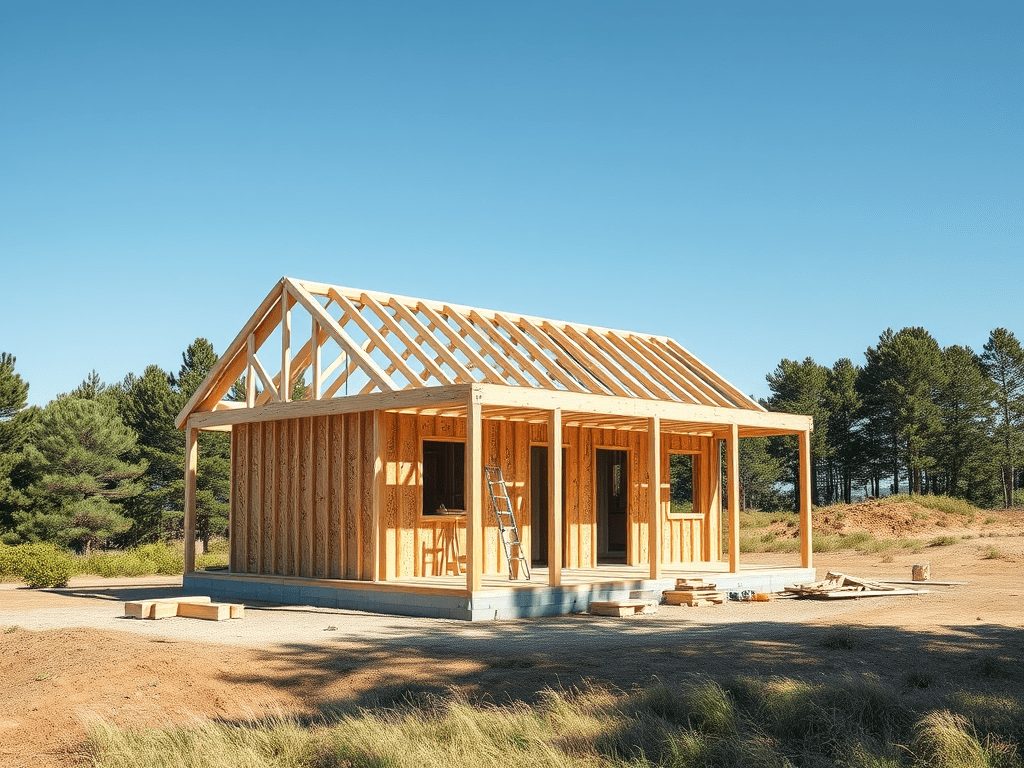
Start with the County: Your Best Friend in This Process
Here’s the single most important thing to remember: the county where the land is located has all the answers you need. They’re not just helpful—they’re essential. Every county has a planning and zoning department (sometimes called community development or building department), and these folks deal with questions like yours every single day.
Don’t be intimidated about calling them. In my experience, county staff are usually happy to help, especially when you come prepared with specific information. Have the parcel number or property address ready when you call. You can typically find the parcel number on the property listing or by searching the county assessor’s website.
When you call, here are the key questions to ask:
Is this parcel zoned for residential use? This is your starting point. Some rural land is zoned agricultural-only or has other restrictions that might limit residential building.
What are the minimum lot size requirements for building? Some counties require a certain number of acres before you can put up a dwelling.
Are there any special overlay zones or restrictions? Things like floodplains, wildlife corridors, or historic districts can add extra requirements.
What permits would I need to build a home here? This helps you understand the process and costs involved.
Are there any recorded easements or restrictions on the property? The county can point you toward where to find this information.
The county will often have this information available online too, but a phone conversation lets you ask follow-up questions and get clarity on anything confusing.
Understanding Zoning: The Foundation of Buildability
Zoning tells you what you can and can’t do with your land. In rural areas, you’ll commonly see zoning designations like:
- Agricultural – May allow residential building but often with minimum acreage requirements
- Residential Rural – Typically allows homes with certain setback and size requirements
- Conservation – May have strict building limitations to protect natural resources
- Recreational – Sometimes limited to seasonal or temporary structures
Just because land is zoned agricultural doesn’t necessarily mean you can’t build a home there. Many agricultural zones allow residential structures. What matters is understanding the specific rules for that zoning category in that particular county.
Some rural subdivisions were platted decades ago under different rules than exist today. The county can tell you if your lot is “grandfathered” under old zoning or if current regulations apply.
Access: Can You Actually Get There?
You can’t build if you can’t legally access your property. This is where many buyers run into surprises, so pay close attention here.
Legal access means you have a recorded right to use a road or pathway to reach your land. This might be:
- A public road maintained by the county
- A private road with recorded easements allowing access
- A deeded easement across a neighbor’s property
- Access granted through subdivision covenants
Just because you can physically drive to the property doesn’t mean you have legal access. Always verify this with the county and by reviewing the property deed and plat map. If access depends on a private road or easement, find out who maintains it and whether there are any associated fees or requirements.
Dirt road access is common with rural vacant land, and that’s perfectly fine for most purposes. What matters is that your right to use that road is legally documented.
Water and Septic: The Make-or-Break Factors
In rural areas without municipal utilities, you’ll need to figure out water and septic. These can be the biggest hurdles to building, so investigate them early.
Water Sources:
Most rural properties rely on wells. The key questions are whether the geology supports drilling a productive well and how deep you’d need to go. The county health department can often provide information about typical well depths in the area and success rates.
Some areas allow for rainwater catchment as a primary water source, while others don’t. Again, check with the county about local regulations.
Septic Systems:
Your property needs to pass what’s called a “perc test” (percolation test) to support a standard septic system. This test determines whether your soil can absorb wastewater properly. Some soil types—like heavy clay or very rocky ground—don’t perc well and may require alternative, more expensive septic systems.
The county health department handles septic permits and can tell you:
- What size lot is required for septic
- Whether the area has any soil limitations
- What type of septic systems are approved locally
- Whether there are any additional restrictions (like being too close to water sources)
You might want to get a professional perc test done before purchasing, especially if the land is in an area with challenging soil conditions. This can cost a few hundred dollars but potentially save you thousands down the road.
Setbacks and Building Envelopes
Even if you can build, you can’t build just anywhere on your property. Counties require setbacks—minimum distances from property lines where you can’t place structures. Common setbacks might be:
- 25-50 feet from front property line
- 10-25 feet from side property lines
- 25-50 feet from rear property line
On a small lot, setbacks can significantly limit where you can actually place a building. Ask the county for specific setback requirements for your property’s zoning designation.
Some properties also have additional setbacks from natural features like creeks, wetlands, or ridgelines. These are designed to protect natural resources and can further limit your buildable area.
Environmental Constraints
Certain environmental features can restrict building:
Wetlands – Federally protected and often unbuildable. The county or a wetlands consultant can determine if your property contains wetlands.
Floodplains – Building in flood zones requires special considerations and flood insurance. FEMA flood maps (available online) show flood risk areas.
Steep slopes – Some counties restrict building on slopes over a certain grade, both for safety and erosion control.
Protected species habitat – Endangered species protection can limit where and when you can build.
The county planning department can alert you to these issues, but it’s also worth walking the property yourself to look for signs of wetlands (standing water, water-loving plants) or other potential constraints.
Covenants, Conditions, and Restrictions (CC&Rs)
CC&Rs are private rules established by subdivision developers or homeowners associations. They can be stricter than county zoning and might dictate:
- Minimum house sizes
- Architectural styles
- Building materials
- Where you can place structures
- Whether you can have outbuildings
- Livestock restrictions
- Fence requirements
CC&Rs are recorded with the property deed. Ask the seller or their agent for a copy, or search the county recorder’s office. If there’s a homeowners association, contact them directly to understand all restrictions and any associated fees.
Some rural subdivisions have CC&Rs that are no longer enforced, but they’re still technically in effect. It’s worth understanding what’s written down, even if current owners aren’t actively following all the rules.
Utilities and Their Absence
Rural vacant land rarely has utilities at the property line, and that’s often reflected in the price. Consider what you’ll need:
Electricity – Contact the local utility company with the property address to ask about the nearest connection point and the cost to extend service. This can range from a few thousand dollars to tens of thousands, depending on distance.
Phone/Internet – Rural broadband can be limited. Check availability through local providers. Satellite internet is often an option, though service quality varies.
Gas – Usually not available in remote areas. Most rural property owners use propane tanks.
Many buyers are specifically looking for off-grid properties and plan to use solar, generators, or other alternative power sources. Make sure the county allows this for residential use if that’s your plan.
Get It in Writing
As you gather information, document everything. Keep notes from phone calls with the county, save emails, and file away any documents you receive. If a county staff member tells you something important, it’s okay to ask them to email you a confirmation.
This documentation serves two purposes: it gives you a clear picture for your own decision-making, and it creates a record in case questions come up later.
When to Bring in Professionals
For most straightforward rural properties, you can do this investigation yourself. However, consider hiring professionals if:
- The property has complicated access issues
- You’re unsure about soil conditions for septic
- There are potential wetlands or environmental concerns
- The zoning situation is complex or unclear
- You’re planning a significant investment in construction
A local land-use attorney, surveyor, or civil engineer familiar with the area can provide valuable guidance. The cost of their services is small compared to the cost of buying land you can’t use as intended.
Trust, But Verify
Even if the seller or listing says the land is buildable, do your own verification. Sellers sometimes have incomplete or outdated information. What was true when they bought the land might not be true now if regulations have changed.
This isn’t about being suspicious—it’s about being thorough. Most sellers aren’t trying to mislead anyone; they just might not have current information.
The Bottom Line
Determining buildability takes some legwork, but it’s absolutely worth the effort. A few hours of research and phone calls now can prevent major disappointment later.
Start with the county, ask specific questions, and don’t be afraid to dig into details. Most counties are set up to help prospective landowners, and the staff you’ll talk with handle these questions regularly. They want you to understand the rules before you buy.
Rural land ownership is incredibly rewarding, and building on your own land is an achievable goal for many people. By doing your homework upfront, you’ll know exactly what you’re getting into and can move forward with confidence. The peace of mind that comes from knowing your land can support your dreams? That’s worth every minute of investigation.