

Off-Grid Systems: Planning Your Cabin’s Infrastructure
January 6, 2026When you buy a piece of rural land, you might assume you’re getting everything—the soil, the trees, whatever lies beneath the surface. But land ownership isn’t always that straightforward. In many parts of the country, the rights to minerals underground and timber above can be sold separately from the land itself. Understanding how this works can save you from surprises down the road and help you make smarter decisions when shopping for your perfect piece of property.
What Are Mineral Rights, Exactly?
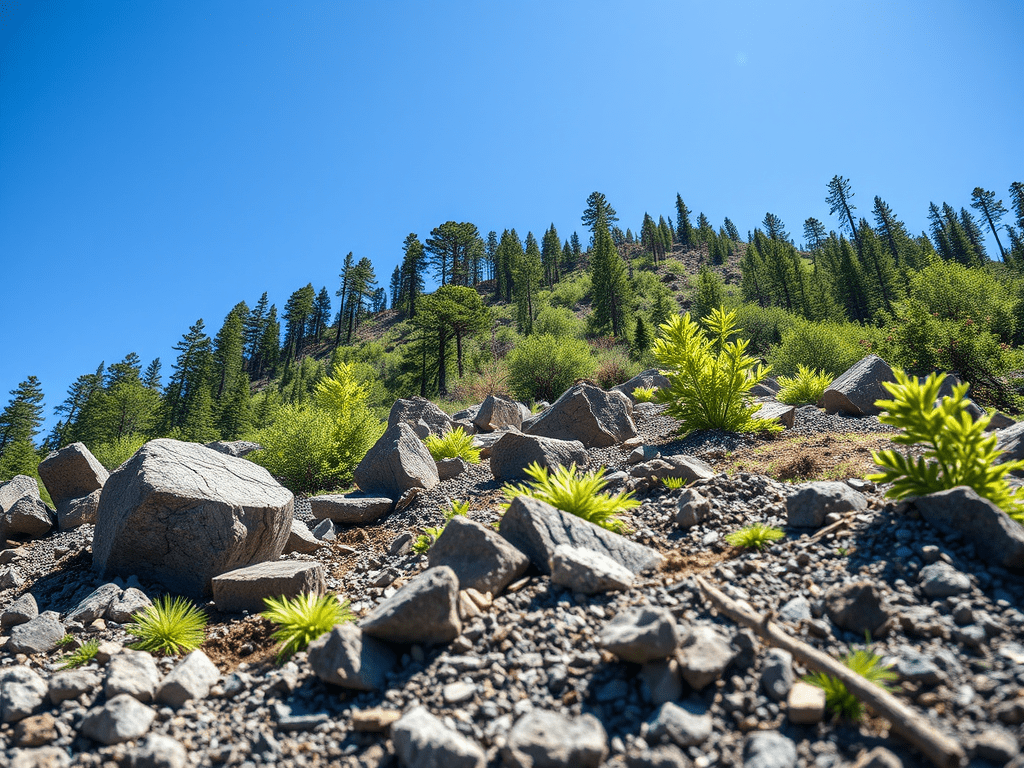
Think of land ownership like a bundle of sticks. Each stick represents a different right—the right to build on the surface, the right to harvest trees, the right to extract oil or gas, the right to mine for minerals. Historically, landowners could sell off individual “sticks” while keeping the others.
Mineral rights cover what’s beneath your feet: oil, natural gas, coal, gold, silver, copper, gravel, and other valuable resources. When someone owns the mineral rights to a property, they have the legal authority to extract those resources—or lease that right to someone else, like an energy company.
Here’s where it gets interesting: mineral rights can be separated from surface rights (that’s the part you’d live on, build on, and enjoy). This separation, sometimes called a “severed estate,” happened frequently during various mining and oil booms throughout American history. A rancher might have sold off the mineral rights to his property decades ago, and those rights have passed through different hands ever since—completely separate from whoever owns the surface.
What About Timber Rights?
Timber rights work similarly. They give someone the legal authority to harvest trees from a property. Like mineral rights, timber rights can be sold or leased separately from the land itself.
This comes up more often than you might think, especially in heavily forested regions. A previous owner might have sold timber rights to a logging company, or the property might have an existing timber lease that transfers with the sale.
The good news? Timber rights are typically easier to research and understand than mineral rights. They’re also more commonly retained by surface owners in rural land sales, though it’s always worth checking.
Why This Matters When You’re Buying Land
Let’s say you’ve found a beautiful ten-acre parcel out in the country. You’re picturing weekend camping trips, maybe a small cabin someday, room for the kids to explore. The price is right, the location is perfect. But what if someone else owns the mineral rights?
In most states, mineral rights are considered the “dominant estate.” That means if someone wants to access those minerals, they generally have the legal right to use the surface—your surface—to do it. They’d need to compensate you for any damage, and there are usually regulations about how this access works, but the basic principle stands: mineral rights often trump surface rights.
Now, the likelihood of an oil company showing up to drill on a small rural parcel varies tremendously depending on location and geology. In some areas, severed mineral rights are just a historical footnote that will never affect you practically. In others, particularly in regions with active oil and gas development, it’s a very real consideration.
Timber rights present similar questions. If someone else owns the right to harvest trees on your property, that stand of beautiful pines you fell in love with might not be yours to keep.
How to Find Out What Rights Come With a Property
Before you get too attached to any piece of land, do your homework. Here’s how to research what you’re actually buying:
Start with the deed. The property deed should indicate whether mineral rights, timber rights, or other interests have been reserved or previously conveyed. Look for language like “reserving all mineral rights” or “excepting oil, gas, and other minerals.” Sometimes these reservations go back generations.
Check with the county. Your county recorder’s office (sometimes called the register of deeds) maintains records of property transactions, including mineral and timber conveyances. They can help you trace the ownership history of various rights associated with a parcel. This is also a great time to ask about any other encumbrances or easements on the property.
Ask the seller directly. A straightforward question about what rights are included in the sale can save everyone time. Reputable land sellers should be upfront about what’s being conveyed.
Consider a title search. For added peace of mind, a professional title search can uncover any severed rights, liens, or other issues that might affect your ownership. This is especially worthwhile in areas with complex ownership histories.
Research the area’s history. Was there significant mining or oil activity in the region historically? Areas with boom-and-bust resource extraction histories are more likely to have complicated mineral right situations.
What If the Rights Are Severed?
Finding out that mineral or timber rights aren’t included doesn’t necessarily mean you should walk away from a property. It means you need more information to make a good decision.
Ask yourself some practical questions:
Is there any realistic chance those minerals will be developed? A severed mineral interest in an area with no geological potential for oil, gas, or mining is very different from one sitting on top of an active shale formation.
What does the local landscape look like? Are neighboring properties being developed for resource extraction? That’s a clue about what might happen on your land.
How would development affect your plans? If you’re buying land for occasional camping and recreation, temporary disruption might be acceptable. If you’re planning to build your forever home, you might want more certainty.
Can you negotiate? Sometimes mineral rights can be purchased back, either from the current owner or as part of your land purchase. It’s always worth asking.
Talk to the county planning office. They can tell you about any permits that have been filed, local regulations governing resource extraction, and what development activity looks like in your area. They’re also your resource for understanding how local ordinances might protect surface owners.
A Note on Timber
If you’re specifically interested in land with trees—whether for the beauty, privacy, future harvesting, or building materials—pay close attention to timber rights. Find out:
- Are timber rights included in the sale?
- Are there any existing timber leases or contracts?
- Have trees been recently harvested, and if so, what are the replanting obligations?
- Are there any restrictions on tree removal (some areas have regulations about this)?
If you’re hoping to selectively harvest trees for a cabin project or firewood, make sure you’ll have the legal right to do so. And as always, check with your county about any permits or regulations around tree removal on your specific property.
The Bright Side
Here’s some encouraging news: many rural properties, especially smaller parcels in areas without significant resource extraction history, come with full mineral and timber rights intact. The seller has never separated them, and you’ll own the complete “bundle of sticks.”
Even in areas where severed estates are common, plenty of properties still have their rights attached. It just takes a little research to find them—or to understand exactly what you’re getting if some rights have been separated.
And remember, severed mineral rights that have sat dormant for decades may continue to sit dormant for decades more. The presence of a mineral reservation doesn’t automatically mean disruption to your land enjoyment. It’s one factor to weigh alongside everything else that matters to you about a property.
Questions to Ask Before You Buy
When you’re evaluating a piece of rural land, add these questions to your due diligence checklist:
- Are mineral rights included in this sale? If not, who owns them?
- Are timber rights included? Are there any existing timber contracts or leases?
- Has there been any resource extraction activity on this property or neighboring parcels?
- What does the county require in terms of permits for drilling, mining, or logging?
- Are there any pending applications or permits for resource development in this area?
Getting clear answers to these questions puts you in the driver’s seat. You’ll know exactly what you’re buying, what possibilities exist, and whether this particular piece of land fits your vision for rural property ownership.
Moving Forward Confidently
Understanding mineral and timber rights might seem like diving into legal weeds, but it’s really about protecting your investment and your dreams. A little research upfront prevents surprises later.
The vast majority of rural land purchases go smoothly, with buyers getting exactly what they expected. By doing your homework—checking deeds, talking to the county, asking the right questions—you join the ranks of informed buyers who know what they own and can enjoy their land with peace of mind.
Rural land ownership remains one of the most accessible ways to claim your own piece of the American landscape. Understanding the ins and outs of property rights is just part of becoming a savvy landowner. And once you’ve got that knowledge? Nothing but open country ahead.