

Why Investing in Rural Land is a Smart Long-Term Strategy
October 12, 2025Great States for Off-Grid Living
October 12, 2025There’s something special about that first night on your own piece of land. No neighbors, no campground rules, just you and the stars. But if you’ve never set up camp without the convenience of established facilities, you might be wondering where to start.
The good news? Creating a comfortable off-grid campsite is simpler than you think. You don’t need fancy equipment or years of wilderness experience. What you do need is a little planning and some basic know-how.
Start with the Basics: Location, Location, Location
Your first campsite doesn’t have to be your permanent one. In fact, it’s smart to spend a few visits exploring your property before you commit to a spot. Walk around during different times of day. Notice where the sun rises and sets, where water tends to pool after rain, and which areas feel naturally sheltered.
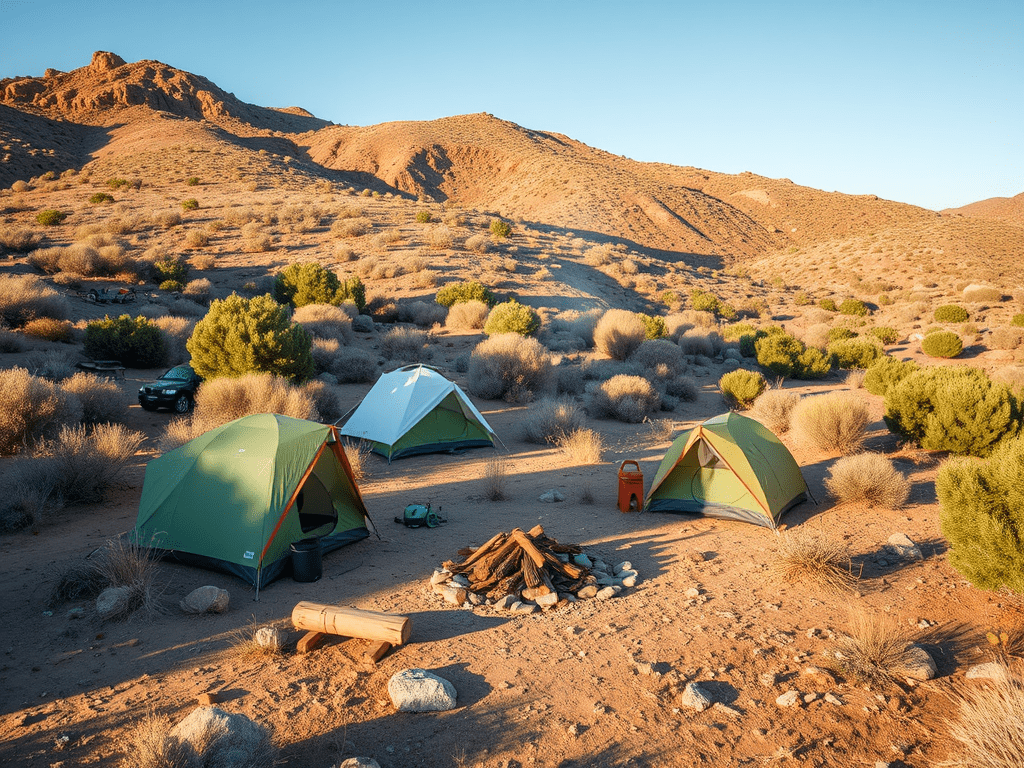
Look for relatively flat ground that’s slightly elevated. This helps with drainage when it rains and makes everything from pitching a tent to cooking breakfast much easier. You’ll also want to think about accessibility. If you’re driving in supplies, can you get reasonably close to your camp spot? That cooler full of food feels a lot heavier after a quarter-mile hike.
Before you set up anything permanent or even semi-permanent, check with your county about any camping regulations or restrictions on your property. Some areas have specific rules about how many days you can camp on your own land or require permits for certain activities. It’s always better to know upfront.
Creating Your Home Base
A good tent is worth its weight in gold when you’re camping on your own land. You don’t need the most expensive model on the market, but do invest in something sturdy with good ventilation. Size matters too. Even if you’re camping solo, having room to stand up and move around makes a huge difference in comfort.
Set up your tent with the door facing away from prevailing winds, and if you’re expecting rain, make sure you’ve got proper ventilation to prevent condensation buildup inside. A tarp under your tent adds an extra layer of protection from ground moisture, and another tarp rigged above it can provide shade during hot days or extra rain protection.
As you spend more time on your land, you might want to create a more permanent camping structure. Some folks build simple platforms to keep tents off the ground, while others set up wall tents or canvas shelters that can stay up season after season. Just remember to check with your county about any requirements for temporary or permanent structures.
The Heart of Camp: Your Kitchen Area
Your cooking setup can be as simple as a propane camp stove on a folding table, and honestly, that works great for most people. Set up your kitchen area on level ground, away from your tent (cooking smells and wildlife go hand in hand), and ideally with some natural windbreak.
A plastic storage bin makes an excellent camp kitchen box. Load it up with basics: pots, pans, utensils, plates, cups, dish soap, towels, and cooking oil. Keep it sealed when not in use to protect from moisture and curious critters. Having everything in one container means you’re always ready for your next visit.
Water storage is crucial. Five-gallon jugs work well and are easy to transport. Plan on at least a gallon per person per day for drinking and cooking, plus extra for washing. Set up a simple wash station with a water jug that has a spigot, a basin for catching water, and biodegradable soap. Used wash water should be scattered at least 200 feet from any water sources.
Fire Safety and Campfire Setup
A campfire turns a campsite into something that feels like home. But before you strike that first match, check with your county about fire regulations and restrictions. Many areas require burn permits, have seasonal fire bans, or specific requirements about fire rings and clearances.
If fires are allowed, create a dedicated fire ring. Clear a 10-foot circle down to bare dirt, then build a ring using rocks (avoid river rocks, which can explode when heated). Keep your fire smaller than you think you need. A fire the size of a large pizza is plenty for warmth and cooking, easier to manage, and safer.
Always keep water and a shovel nearby. When you’re done, make sure the fire is completely out. Not “looks out” or “mostly out,” but cold to the touch. Drown it, stir it, drown it again. This isn’t paranoia; it’s just good land stewardship.
Dealing with the Essentials: Waste Management
Let’s talk about the topic nobody loves but everyone needs: bathroom facilities. For occasional visits, a portable camping toilet works fine. They’re affordable, easy to transport, and disposal is straightforward at most RV dump stations.
If you’re spending more time on your property, a simple outhouse might make sense. This typically requires checking with your county about regulations and setback requirements from property lines and any water sources. Even for temporary facilities, it’s worth asking what’s allowed.
For solid waste disposal, pack it out. Keep a dedicated bin with a tight-fitting lid for trash and another for recyclables if you can manage it. Wildlife has an amazing ability to get into anything that smells interesting, so secure your trash in your vehicle or a sturdy container between camp visits.
Power and Light
The sun sets early in the backcountry, and good lighting makes everything easier and safer. LED lanterns have revolutionized camp lighting. They’re bright, energy-efficient, and modern rechargeable ones can last for days. Hang one in your tent and keep another at your cooking area.
Headlamps are game-changers. They keep your hands free for cooking, setting up camp, or finding that thing you dropped in the dark. Get one for each person in camp.
For power, a small solar panel setup can keep phones charged, run LED lights, and power small devices. You don’t need a massive system. A 100-watt panel with a battery pack covers basic needs for most weekend camping. As you use your land more, you can always expand.
Comfort Additions That Make a Difference
A good camp chair might seem like a luxury, but after a day of hiking or working on your property, having a comfortable place to sit makes everything better. Bring a tarp or two beyond what you’re using for shelter. They’re endlessly useful for ground covers, windbreaks, or gear protection.
Consider a simple shade structure for daytime comfort, especially if you’re camping during warmer months. Even a tarp strung between trees creates a gathering spot that’s protected from sun and light rain.
Bug protection varies wildly by location and season, but it’s worth being prepared. Screens for your tent, citronella candles for your camp area, and personal bug spray can make the difference between a pleasant evening and one spent swatting mosquitoes.
Building Your Camp Over Time
Here’s the thing about off-grid camping: your setup will evolve. Your first few trips might be pretty basic, and that’s perfectly fine. As you spend time on your property, you’ll figure out what makes sense for your specific situation.
Maybe you’ll add a storage shed for gear. Perhaps you’ll improve the road access to your camp spot. You might establish fire clearings, plant some shade trees, or create rock steps on a steep path. These improvements happen naturally as you use the land.
The perfect campsite isn’t created in a weekend. It develops over time as you learn your property’s rhythms, weather patterns, and your own preferences. Start simple, stay safe, and let your camp grow with your experience.
Getting Started
Your first camping trip on your own land doesn’t require everything mentioned here. Start with the basics: shelter, water, food, and a plan. Each visit will teach you something new about your property and what you need to be comfortable.
The beauty of owning your own land is that you’re not on anyone’s schedule but your own. If you forget something, you can always come back. If something doesn’t work quite right, you have all the time in the world to improve it.
So pack your gear, check the weather forecast, let someone know where you’ll be, and head out to your property. That first campfire on your own land, looking up at stars that actually look like stars, not just dim points through city light pollution? That’s the moment you’ll understand why people love rural land ownership.
Welcome home.