

Off-Grid Water Solutions: Wells, Rainwater, and More
October 12, 2025How to Store and Manage Food on Remote Land
October 12, 2025So you’ve got your piece of rural land, and now you’re thinking about the next step—maybe a cabin, a tiny home, or just a comfortable setup for extended stays. One question that comes up pretty quickly is: what do you do about a septic system?
If you’re new to off-grid living or remote land ownership, the idea of installing a septic system might feel overwhelming. But here’s the good news: thousands of people have done exactly what you’re planning to do, and with the right information and approach, you can too.
Let’s walk through what you need to know about putting in a septic system on your remote property.
Start With Your County (This Is Non-Negotiable)
Before you do anything else—before you start pricing systems, before you call contractors, before you even finalize where your cabin will sit—you need to talk to your county health department or environmental services office.
This isn’t just a suggestion. Your county has specific regulations about septic systems, and they’re there for good reasons: protecting groundwater, preventing contamination, and keeping everyone (including you) healthy and safe.
When you contact your county, ask about:
- What types of septic systems are allowed in your area
- Setback requirements (how far the system must be from wells, property lines, and water sources)
- Soil testing and percolation test requirements
- Permit application process and fees
- Whether you need a licensed installer or can DIY certain parts
- Inspection requirements during and after installation
Every county is different. What works in one area might not be allowed in another, so this step saves you from expensive mistakes down the road.
Understanding Your Soil: The Percolation Test
Your soil is the foundation of your septic system—literally. A “perc test” (short for percolation test) measures how quickly water drains through your soil. This determines what type of system you can install and how large it needs to be.
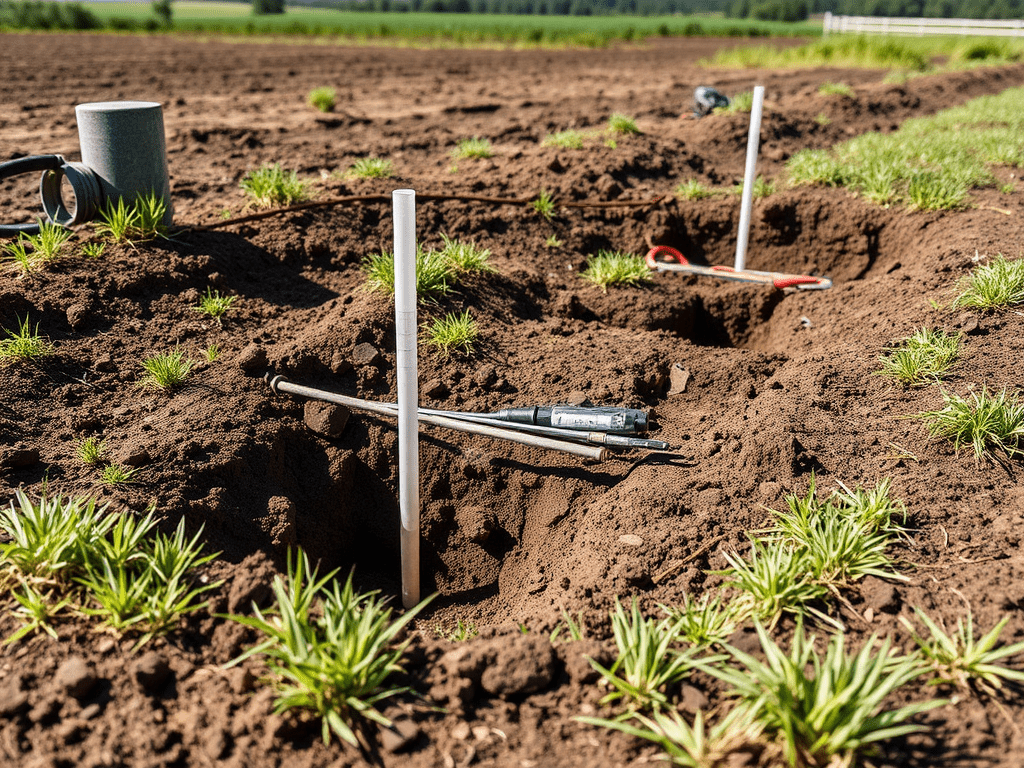
Most counties require a professional to conduct this test, and they’ll dig test holes in the area where you’re planning to install your system. They fill these holes with water and measure how fast it drains away.
Sandy soil drains quickly (which can actually be too fast), clay soil drains slowly (which can be problematic), and loamy soil usually hits that sweet spot in between. If your soil doesn’t perc well naturally, don’t worry—there are alternative systems designed for challenging soils. Your county will help guide you to the right solution for your property.
Types of Septic Systems for Remote Land
Not all septic systems are created equal, and what you install depends on your soil conditions, budget, and county regulations.
Conventional Septic System
This is the classic setup most people think of: a septic tank where solids settle out, and a drain field (also called a leach field) where the liquid waste filters through the soil. If you’ve got good soil conditions and adequate space, this is often the most straightforward and economical option.
The septic tank itself is typically 1,000 to 1,500 gallons for a small home or cabin. Waste flows into the tank, where bacteria break down solids. The liquid (called effluent) then flows out to the drain field—a series of perforated pipes buried in gravel-filled trenches. The soil acts as a natural filter, cleaning the water before it reaches the groundwater.
Alternative Systems
If your soil doesn’t drain well, your lot is small, or you have a high water table, you might need an alternative system:
- Mound systems build an elevated drain field above the natural soil level, which works when the soil drains too slowly or when bedrock is close to the surface
- Sand filter systems add an extra layer of sand filtration when natural soil conditions aren’t ideal
- Aerobic treatment units use oxygen to speed up the breakdown of waste, producing cleaner effluent that requires less soil filtration
These alternatives typically cost more than conventional systems, but they make septic installation possible on properties where it otherwise wouldn’t be.
The Installation Process: What to Expect
Once you’ve got your permits and know what type of system you’re installing, here’s generally how the process unfolds:
Site Preparation
The area needs to be cleared and accessible for heavy equipment. Excavators will need room to maneuver, and you’ll want to mark the locations of any wells, property lines, or other features to avoid.
Tank Installation
The septic tank gets buried in a hole dug to specific depths (as required by your permit). Concrete tanks are heavy and durable—they’re the most common choice for remote locations. Plastic tanks are lighter and easier to transport down rough roads, but make sure they’re approved in your area. The tank needs to be level and properly bedded to prevent shifting.
Drain Field Construction
This is where most of the digging happens. Trenches are dug to the required depth and width, filled with gravel, and fitted with perforated distribution pipes. The drain field size depends on how many bedrooms your home has (counties use this as a proxy for water usage) and your soil’s absorption rate.
Connecting Everything
Pipes run from your future cabin location to the septic tank, and from the tank to the drain field. Proper slope is critical—gravity does the work, so the pipes need to be pitched correctly for waste to flow.
Inspection and Approval
Your county inspector will visit at various stages (often before backfilling) to make sure everything meets code. Don’t skip this step or cover anything up before the inspection, or you might be digging it all up again.
Can You DIY or Do You Need a Pro?
This depends on three things: your county’s requirements, your skill level, and the complexity of your system.
Some counties allow homeowners to install their own conventional septic systems if they pass a basic course or meet certain requirements. Others require licensed septic installers for any installation. Alternative systems almost always require professional installation.
Even if you’re allowed to DIY, consider what’s involved: operating or renting excavation equipment, understanding proper slopes and grades, working with heavy tanks, and meeting all code requirements. Many landowners find it makes sense to hire professionals for the major work while doing preparatory tasks themselves—clearing the site, marking locations, or handling finish work.
A professional installer brings experience, equipment, and often a warranty on their work. They also know the local inspectors and what they’re looking for, which can smooth the permit process.
Timing and Access Considerations
Remote land comes with unique challenges for septic installation. That beautiful property down the dirt road? That road needs to handle a loaded septic tank on a delivery truck, plus excavators and dump trucks.
Consider these timing factors:
- Weather: Heavy equipment and muddy roads don’t mix. Many remote areas are only accessible for this type of work during dry seasons.
- Road conditions: Talk to your contractor about access. You might need to grade or improve your road temporarily.
- Material delivery: Can a concrete septic tank truck reach your installation site? If not, you might need to look at plastic tanks or arrange for smaller equipment.
Plan your septic installation before you build, if possible. It’s much easier to bring in heavy equipment before your cabin is in the way.
Long-Term Care: Keeping Your System Healthy
A properly installed and maintained septic system can last for decades. Here’s how to be a good septic system owner:
Watch What Goes Down
Only human waste and toilet paper should go down your toilet. Everything else—even things labeled “flushable”—can clog your system. In your kitchen, grease and food waste belong in the trash, not down the drain.
Conserve Water
Your septic system can only handle so much water at once. Spread out laundry loads, fix leaky faucets, and consider low-flow fixtures. On remote land, you’re probably already conscious of water use anyway.
Pump Regularly
Septic tanks need pumping every three to five years for most households. Mark it on your calendar and budget for it. Regular pumping prevents solids from reaching your drain field, which is expensive to repair or replace.
Know the Warning Signs
Slow drains, sewage odors, or soggy spots in your drain field area mean it’s time to call a professional. Catching problems early saves money and prevents environmental contamination.
Making It Happen
Installing a septic system on remote land is a significant project, but it’s also what transforms raw land into a place where you can actually live. It’s not the most glamorous part of land ownership, but it’s essential infrastructure that you’ll appreciate every single day.
Start with your county, understand your soil, choose the right system for your conditions, and work with professionals where it makes sense. Take your time with the planning phase—it’s much cheaper to get things right the first time than to fix problems later.
Thousands of rural landowners have navigated this process successfully, and you can too. Your remote piece of land is one step closer to becoming a true home.