

How to Store and Manage Food on Remote Land
October 12, 2025How to Drill a Well on Rural Property
October 21, 2025There’s something deeply satisfying about the idea of living independently on your own piece of land—growing your own food, generating your own power, and being answerable to nobody but yourself. If you’ve been dreaming about building a self-sustaining off-grid home on your rural property, you’re not alone. More people than ever are discovering that this lifestyle isn’t just possible, it’s remarkably achievable with the right planning.
The beauty of designing an off-grid home is that it can be as simple or as elaborate as you want. You don’t need a massive budget or advanced engineering skills to get started. What you do need is thoughtful planning, a willingness to learn, and realistic expectations about what off-grid living actually entails.
Start With Your Property’s Natural Advantages
Before you sketch a single floor plan, spend time really getting to know your land. Walk it in different seasons if possible. Where does the sun track across the sky? Which areas get the most wind? Where does water naturally flow during rain? Are there spots that stay warmer or cooler than others?
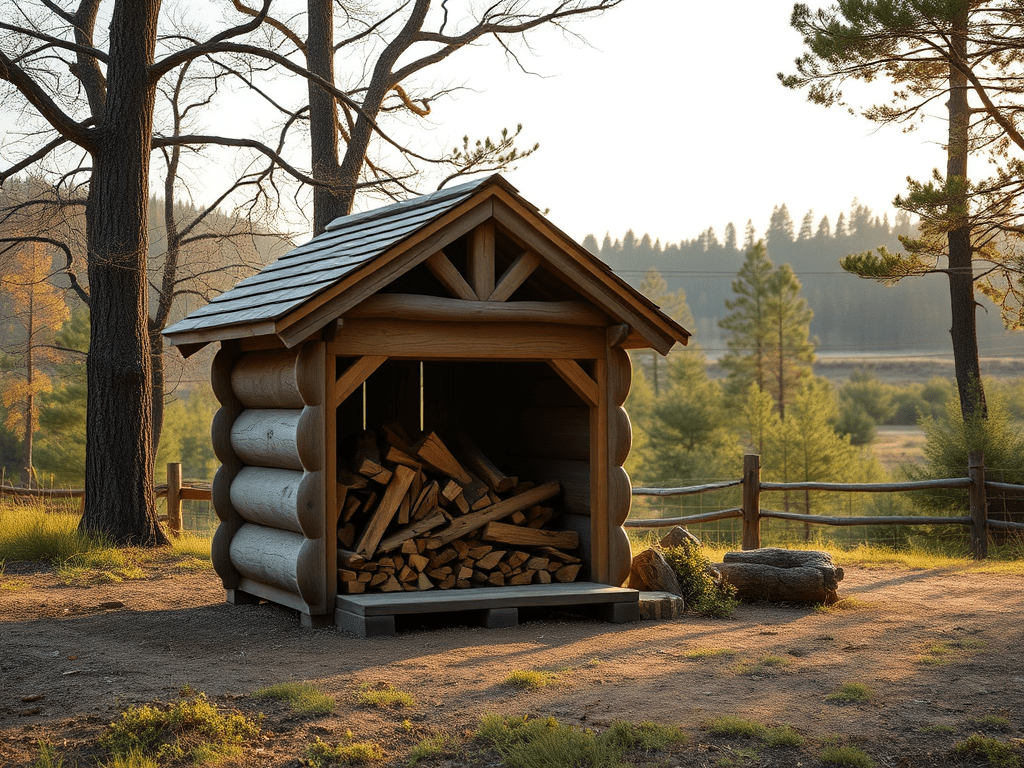
Your property is already telling you where your home wants to be. That south-facing slope might be perfect for passive solar heating. That low spot near the back might be ideal for a pond to catch rainwater. The grove of trees on the eastern edge could provide a windbreak and shade your home from harsh afternoon sun.
One of the biggest mistakes new off-grid builders make is fighting against their land instead of working with it. I’ve seen folks put their home in a beautiful spot that requires hauling water uphill or clearing dozens of trees that could have provided natural climate control. Take your time with this step—your future self will thank you.
Power: Keep It Simple at First
When people think “off-grid,” they often imagine complex solar arrays and battery banks that cost as much as a car. Here’s the good news: you can start much smaller and expand over time.
A basic solar setup for a small cabin might include just a few panels, a charge controller, a battery bank, and an inverter. This could run LED lights, charge phones and laptops, power a small refrigerator, and handle basic needs. As you save money and better understand your actual power usage, you can add more panels and batteries.
Many successful off-gridders recommend starting with a small system and living with it for a season. You’ll quickly learn what you actually use versus what you thought you’d need. That fancy electric coffee maker? Probably not essential. Those LED lights and a good reading lamp? Absolutely worth it.
Consider a backup generator for cloudy stretches or high-demand periods. It’s not cheating—it’s being practical. Even dedicated solar enthusiasts often keep a small generator on hand for emergencies or running power tools during building projects.
Before you install anything, check with your county about electrical permits and requirements. Some areas have specific codes for off-grid systems, and it’s much easier to build it right the first time than to retrofit later.
Water: Your Most Critical System
You can get by with less power than you think, but water is non-negotiable. Fortunately, you have several good options depending on your property and budget.
If you have a well on your property or can drill one, that’s often the most reliable long-term solution. A well with a simple hand pump gives you water even when power systems are down. Add a small solar-powered pump and you can fill storage tanks without burning fuel or electricity from your main system.
Rainwater catchment is another excellent option, especially in areas with decent rainfall. A properly designed system with gutters feeding into food-grade storage tanks can provide all the water a small household needs. The key is adequate storage—you want enough capacity to carry you through dry periods. Calculate your daily usage, figure out typical rain patterns in your area, and size your system accordingly.
Some folks use a combination approach: well water for drinking and cooking, rainwater for gardens and washing. There’s no single right answer—it depends on your local rainfall, water table depth, and budget.
Whatever water source you choose, always check with your county about water rights, well drilling permits, and any restrictions on rainwater harvesting. Regulations vary widely by location, and some areas have specific requirements for potable water systems.
Heating and Cooling: Work With Nature
A well-designed off-grid home uses passive strategies first and mechanical systems second. This approach saves money, reduces your power needs, and often works better than fighting nature with electricity.
Passive solar design is remarkably effective. Large south-facing windows (in the Northern Hemisphere) let in winter sun to warm thermal mass like concrete floors or stone walls, which then radiates heat throughout the evening. Deep overhangs or deciduous trees shade those same windows in summer, keeping things cool when you need it most.
A good wood stove or rocket mass heater can provide serious warmth in winter using renewable resources from your own land. If you have trees, you have heat. Many off-gridders find that a single efficient wood stove, combined with good insulation and passive solar design, can heat an entire small home even in cold climates.
For cooling, focus on natural ventilation, thermal mass, and shade. Position windows to create cross-breezes. Paint your roof a light color to reflect heat. Use a whole-house fan to pull in cool night air. In many climates, these strategies eliminate the need for air conditioning entirely.
Insulation deserves special mention—it’s not glamorous, but it’s possibly the best investment you’ll make. Good insulation keeps heat in during winter and out during summer, dramatically reducing your heating and cooling needs year-round.
Food Production: Start Small and Expand
A self-sustaining home isn’t complete without some food production, but you don’t need to become a full-time farmer overnight. Start with a modest garden and expand as you learn what grows well on your property and what you actually enjoy eating.
Raised beds are perfect for beginners. They’re easier on your back, warm up faster in spring, and give you more control over soil quality. Four 4×8 raised beds can produce a surprising amount of food for a couple.
Fruit trees and berry bushes are excellent long-term investments. They take a few years to produce, but once established, they provide food with minimal ongoing work. Choose varieties suited to your climate and consider disease-resistant cultivars to reduce maintenance.
Chickens are the gateway livestock for many off-gridders. A small flock provides eggs, helps control insects, and produces excellent fertilizer. They’re relatively low-maintenance and don’t require fancy housing—just protection from predators and weather.
As you gain experience, you might add rainwater-fed gardens, extend your growing season with a simple greenhouse, or try your hand at preserving food through canning, drying, or root cellaring. The key is building skills gradually rather than trying to do everything at once.
Waste Management That Actually Works
Let’s talk about the less glamorous but absolutely essential topic of dealing with waste. Your off-grid home needs practical solutions for both graywater (from sinks and showers) and blackwater (from toilets).
Composting toilets have come a long way and are now genuinely practical for year-round living. Modern units are odorless when properly maintained and produce useful compost for non-edible plants. They eliminate the need for a septic system and save significant water.
If you prefer a more conventional toilet, a septic system might be necessary. This is definitely an area where you need to check with your county early in the planning process. Septic system requirements vary widely, and permits typically require soil testing and approved installation.
For graywater, many off-gridders use simple systems that filter water through gravel beds or distribute it to trees and gardens through mulch basins. These systems recycle water while providing irrigation. Again, check local regulations—some counties have specific requirements for graywater systems.
Building in Phases: The Practical Path Forward
Here’s the approach that works for many successful off-gridders: build your systems in phases, starting with the essentials and adding comfort and convenience over time.
Phase one might be a small, well-insulated cabin with basic solar power, a composting toilet, and hauled water. It’s livable, legal, and gets you onto your land without massive debt. You’re learning what works and what doesn’t while living there part-time or during nice weather.
Phase two adds more solar capacity, a proper water system, and perhaps an outdoor kitchen or screened porch. You’re spending more time on the property and refining your systems based on real experience.
Phase three might include a workshop, larger garden infrastructure, additional living space, or upgraded systems based on what you’ve learned. By this point, you understand your actual needs rather than your imagined ones.
This phased approach has several advantages: you spread costs over time, you learn as you go without making expensive mistakes, and you avoid taking on massive debt before you know if this lifestyle suits you. Many folks find that their “phase one” cabin is actually all they need—it just takes living in it to realize that.
The Human Side of Self-Sufficiency
Designing a self-sustaining off-grid home isn’t just about technical systems—it’s about creating a life that works for you. Be honest about your priorities and your personality. If you hate dealing with mechanical systems, keep them simple and reliable rather than complex and efficient. If you love tinkering, you might enjoy more sophisticated setups that give you ongoing projects.
Think about the season of life you’re in. Retired couples have different capabilities and needs than young families. Someone working remotely needs reliable power for internet and computers. A weekend recreationalist might be fine with truly rustic conditions.
Don’t forget the social aspect. Even off-gridders need community. Consider how far you are from town, whether you can get good internet for staying connected, and what the local community is like. Some of the happiest off-grid folks I know live in areas with other like-minded people who help each other, share knowledge, and occasionally borrow tools.
Moving Forward With Confidence
Designing a self-sustaining off-grid home might seem overwhelming at first, but remember: people have been living independently on their own land for thousands of years. You’re not trying to invent something new—you’re adapting proven principles with modern materials and knowledge.
Start by educating yourself. Read books, watch videos, and most importantly, talk to people who are actually living off-grid in climates similar to yours. They’ll give you real-world advice that’s worth more than any theoretical plan.
Before breaking ground on anything, spend serious time researching your county’s requirements for building permits, electrical systems, water sources, waste management, and any other regulations that might apply. Call the county planning department, explain what you’re hoping to do, and ask what permits and approvals you’ll need. This homework upfront can save you from costly mistakes or legal headaches down the road.
Consider consulting with professionals for the systems you’re less confident about. A solar installer can size your power system properly. A well driller knows the local water table. An experienced builder can ensure your home is structurally sound. These consultations cost money upfront but often save money and frustration in the long run.
Finally, give yourself permission to start small and imperfect. Every experienced off-gridder started as a beginner. That sophisticated homestead you admire in a magazine? It probably took a decade to develop. Your simple cabin with basic systems is a perfectly valid and respectable starting point.
The journey to a self-sustaining off-grid home is exactly that—a journey. Enjoy the process of learning, building, and creating a life that reflects your values. Your rural land is waiting to become the foundation for something genuinely meaningful. With thoughtful planning and realistic expectations, you can create a home that provides not just shelter, but real independence and satisfaction.
Welcome to the off-grid community. We’re glad you’re here.