

What You Need to Know Before Buying Land Sight-Unseen
December 10, 2025Navigating Permits for Your Cabin Build
December 23, 2025There’s something deeply satisfying about the idea of having your own cabin on your own land. Maybe you’re picturing weekend getaways with morning coffee on the porch, or perhaps you’re dreaming of a more permanent escape from city life. Whatever draws you to the idea, finding the right piece of land is where those dreams start to become reality.
The good news? Finding suitable cabin land is more accessible than many people think. You don’t need to be a real estate expert or have a massive down payment saved up. What you do need is a clear understanding of what to look for and a practical approach to evaluating potential properties. Let’s walk through how to find land that’ll work for your cabin vision.
Start With What You Actually Need
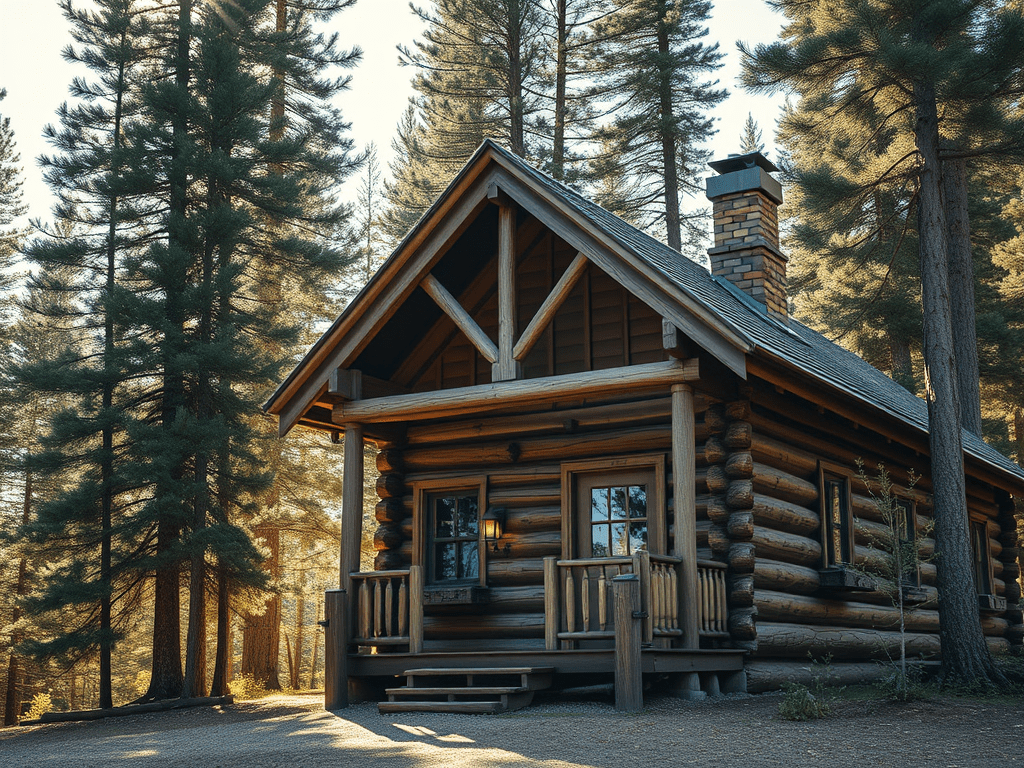
Before you start browsing land listings, take some time to think about how you’ll actually use this property. Are you planning a rustic weekend retreat where you’ll rough it a bit, or are you envisioning something more comfortable that could eventually become a full-time home? Will you visit a few times a year, or do you want to be out there every weekend?
Your answers shape what kind of land you need. A weekend camping cabin has very different requirements than a property you might live on someday. Someone planning occasional visits can handle being farther from town and services, while someone hoping to be there regularly probably wants a shorter drive.
Think about who’ll be using the cabin too. A couple’s retreat can work on smaller, more remote parcels. A family gathering spot might need more space and better access. There’s no wrong answer here – just honest thinking about your actual plans rather than an idealized version that doesn’t match reality.
Location Matters More Than You Might Think
When you’re looking at rural land, it’s easy to focus entirely on the property itself and forget about where it actually is. But location influences almost everything about owning and using cabin land.
Distance and Drive Time
Consider the realistic drive time from where you live now. A three-hour drive sounds fine until you’re doing it every Friday evening and Sunday afternoon. If you’re planning regular visits, staying within an hour or two makes a huge difference in how often you’ll actually use the property. For occasional getaways, being farther out can work fine and often means more affordable land.
Think about the drive itself, not just the distance. Some rural roads are well-maintained year-round, while others might be challenging in winter or during heavy rain. A slightly longer drive on better roads can be easier than a shorter trip on rough terrain.
Climate and Seasons
The local climate affects how you’ll use your cabin and what it’ll take to build and maintain it. Will you use the property year-round, or is this mainly a three-season getaway? Some climates make year-round cabin use straightforward, while others require extra planning for winter access and building insulation.
Look into the area’s typical weather patterns. Heavy snow might mean you need a steeper roof pitch and can’t access the property in winter without significant preparation. Hot summers might make shade and ventilation crucial. These aren’t deal-breakers – they’re just factors to understand before you commit.
Services and Supplies
Even if you want to be off-grid and self-sufficient, you’ll still need access to supplies and services sometimes. Check how far you’ll be from a decent hardware store, building materials, and fuel for generators or vehicles. If something breaks on a Saturday afternoon, where’s the nearest place to get parts?
Medical services matter too, especially if you’ll have family or friends visiting. Being 45 minutes from the nearest urgent care is different from being three hours away. Again, this isn’t about ruling out remote locations – it’s about going in with eyes open about the trade-offs.
The Land Itself: What to Look For
Now let’s get into the actual property characteristics that make land good (or challenging) for a cabin.
Topography and Building Sites
Walk the property if you possibly can, even if it’s a longer drive to get there. You’re looking for relatively flat or gently sloping areas where you could reasonably place a cabin. Steep slopes aren’t impossible to build on, but they add cost and complexity that might not fit your budget or skills.
Look for natural building sites that don’t require massive earthmoving. A spot that’s already relatively level, with decent drainage, makes everything easier and more affordable. Higher ground typically drains better and gives you views, but you’ll need to think about access in winter if you’re in snow country.
Consider where the sun tracks across potential cabin sites throughout the day. South-facing spots in northern climates give you free solar heating in winter. In hot climates, you might want afternoon shade. These details matter more than you’d think when you’re actually living in the space.
Water Sources
Water is critical for any cabin, and it’s worth understanding your options before you buy. Some rural properties have wells already drilled, which is great. Others will need a well drilled, which varies wildly in cost depending on how deep you need to go to reach water. Wells in some areas might hit water at 50 feet; in others, you might need to go several hundred feet down.
Before you get too far in your search, check with the county about well requirements and regulations in the area. Some counties require permits and inspections. Others have minimum depths or specific drilling standards. The county can also often provide information about typical well depths in different areas, which helps you estimate costs.
Natural water sources like springs, creeks, or ponds can be wonderful features, but they come with their own considerations. Check with county authorities about water rights and what you’re allowed to do with surface water. In many western states especially, water rights are complex and regulated separately from land ownership.
If you’re planning to start with rainwater catchment, make sure that’s legal where you’re looking. Most places allow it, but a few states have restrictions. Again, a quick call to the county can answer this question.
Soil and Drainage
Good soil drainage is essential for both building and for septic systems if you’ll need one. Clay-heavy soils that don’t drain well can create wet, muddy conditions and complicate septic installation. Sandy or loamy soils typically drain better and are easier to work with.
Visit the property after rain if possible, or look for signs of where water naturally flows and collects. Standing water in areas where you’re considering building is a red flag. Gentle slopes that move water away from potential building sites are ideal.
Vegetation and Views
The existing vegetation tells you a lot about the land. Healthy trees and varied plant life suggest decent soil and water availability. The type of vegetation also indicates what you can expect to deal with for maintenance – a property heavy with brush needs more clearing work than one with mature trees and minimal undergrowth.
Think about views and privacy too. Dense trees offer privacy but might need selective clearing for building sites or to capture views. More open land gives you views right away but less natural privacy. There’s no perfect answer – just different trade-offs based on what matters most to you.
Access: The Make-or-Break Factor
You can have the most beautiful piece of land in the world, but if you can’t reliably get to it, you’ll never enjoy it. Access deserves serious attention in your search.
Road Access
Legal, deeded access is essential. This means the property has a recorded right-of-way or easement to reach a public road. Never assume that because you can drive to a property during your visit, you have legal access. Some sellers aren’t upfront about access issues, so verify this independently.
Look at the actual road or path to the property. Is it maintained by the county, or is it a private road maintained by property owners? County-maintained roads give you more reliability. Private roads can work fine, but understand who’s responsible for maintenance and snow removal.
Some rural properties are accessed by unimproved roads – basically just dirt tracks across the land. These can be perfectly fine in dry weather but might become impassable in rain, snow, or spring thaw. If year-round access matters to you, understand what the road conditions are like in the worst weather.
Seasonal Considerations
If you’re looking at land in areas with significant winter weather, ask specifically about winter access. Some rural roads aren’t plowed regularly. Others might be passable with four-wheel drive but not with a regular car. This affects whether you can use the cabin in winter and what kind of vehicle you’ll need.
Utilities and Services
Most rural vacant land isn’t connected to the power grid, municipal water, or sewer systems. That’s completely workable – plenty of excellent cabins run on solar power, well water, and septic systems. But it’s important to understand what’s available and what you’ll need to provide yourself.
Check whether power lines run near the property. If they do, you have the option to connect to grid power if you want, though running lines to your cabin can be expensive. If not, you’re looking at solar, generator power, or both. For many cabin owners, off-grid solar is actually preferable – no monthly utility bills and no dependence on the grid.
Check with your county about requirements for septic systems if you’ll need one. Some counties require specific types of systems or percolation tests before they’ll approve septic installation. This information is worth having before you buy, not after.
Zoning and Regulations: Do Your Homework
This might not be the most exciting part of finding cabin land, but it’s absolutely critical. Zoning laws and building codes determine what you can actually do with your property.
Zoning Research
Start by checking with the county planning and zoning department for any property you’re seriously considering. Ask specifically:
- What is the property zoned for?
- Can you build a residential structure on it?
- Are there minimum square footage requirements for buildings?
- Are there setback requirements (how far buildings must be from property lines)?
- Are there restrictions on camping, RVs, or temporary structures?
- What permits are required for different activities?
Some counties have very permissive rural zoning that allows you to build what you want with minimal interference. Others have strict requirements about building sizes, types, and uses. Both can work for your cabin plans, but you need to know the rules before you buy.
Building Codes
Building code requirements vary dramatically by county. Some rural counties don’t enforce building codes at all on residential properties. Others require full code compliance and inspections. Neither is necessarily better – it depends on your skills, plans, and preferences.
If you’re planning a simple, small cabin that you’ll build yourself, a county without strict code enforcement might be ideal. If you’re planning something more substantial or want to hire builders, code requirements provide structure and ensure quality work.
Special Restrictions
Some rural areas have additional restrictions worth knowing about:
- HOA rules in rural subdivisions (though many rural subdivisions have minimal or no HOA enforcement)
- Deed restrictions on certain activities or building types
- Wildfire regulations in high-risk areas
- Watershed protection rules
- Historic preservation requirements
Most of these won’t affect typical rural vacant land, but it’s worth checking. The county can provide information about most of these restrictions.
Evaluating Properties: A Practical Approach
Once you’re actively looking at properties, here’s how to evaluate them effectively:
Remote Research
Start with online research before you visit. County assessor websites often provide property information, maps, and sometimes photos. Google Earth lets you see the terrain and vegetation from above. Topographic maps show elevation changes and water features.
Look at nearby properties to get a sense of the area. Are there other cabins or homes? How developed is the area? Sometimes you can get a feel for an area just by exploring it virtually.
Site Visits
Visit properties in person whenever possible, especially before making an offer. Walk the boundaries if you can. Get a feel for the terrain, drainage, and building sites. Take lots of photos and notes – after looking at several properties, they start to blur together.
Visit at different times if you’re able. A property that’s quiet on a Tuesday afternoon might be different on a Saturday. Morning light shows different features than afternoon light.
Questions to Ask
When you’re serious about a property, ask the seller or agent:
- Why are they selling?
- What do they know about water availability?
- How is the road maintained?
- Are there any known issues with the property?
- What are the property taxes?
- Are there any pending assessments or development plans in the area?
Honest sellers will give you straight answers. Evasive answers are a red flag.
Making It Happen: Owner Financing and Affordability
Here’s where finding cabin land becomes more accessible than traditional real estate: many rural land sellers offer owner financing. Instead of needing a large down payment and bank approval, you work directly with the seller on terms that work for both of you.
Owner financing typically means a smaller down payment and monthly payments spread over several years. This puts cabin land ownership within reach of people who might not qualify for traditional mortgages or who don’t want the hassle of dealing with banks.
It also gives you a different relationship with the seller. They’re more likely to share information about the property, the area, and any quirks you should know about. They have a vested interest in your success since you’re paying them over time.
This flexibility makes it possible to start with a modest piece of land and build your cabin gradually. You’re not trying to do everything at once – you’re taking steps toward a goal that unfolds over time.
Start Where You Are
The perfect piece of cabin land probably doesn’t exist. Every property has trade-offs. The goal is finding land that fits your actual needs and plans, not some idealized version that exists only in your imagination.
Maybe you start with a small parcel where you can camp and eventually build a simple cabin. Maybe you find a larger piece that gives you room to grow. Maybe the land is a bit farther out than ideal, but the price makes it workable.
The common thread is that thousands of people own rural cabin land and use it regularly. They’re not all wealthy or expert builders. They’re regular folks who decided they wanted their own place in the country and made it happen.
Your cabin land is out there. It might take some looking and some patience, but approaching the search with clear thinking about your needs and realistic expectations about what’s available makes all the difference. Start with county regulations, understand what you’re looking at, and don’t be afraid to ask questions. The learning curve isn’t as steep as it might seem, and the reward – your own cabin on your own land – is worth the effort.